
Stretch-ceiling perimeters follow two logics. One: classic profile with masking tape or decorative insert — membrane edge in the profile, visible joint closed by an inlay. Two: shadow gap — the profile leaves a controlled reveal to the wall, and that reveal is the finish. “Pull the membrane back a little” is not a substitute for a shadow-gap profile.
Choose tape when you need a familiar closed perimeter, a standard install path, and masking of fixings and minor line defects. Tape is a consumable (colour, wear, replacement on re-stretch).
Choose a shadow gap when you need an architectural line without an insert and a visual separation of ceiling and wall. The node is stricter on alignment and corners. Alumineu INVISIA covers the shadow-gap perimeter; ENDCAPP-class parts are end/closure pieces — a different role, not a shadow-gap replacement.
Fact comparison: shadow gap = fewer visible inlays, higher prep/install demand. Tape = familiar look, more forgiveness, but extra material and a joint. Switching from tape to shadow means a different profile and a recalculated membrane. LED shadow gap (FLOATIA) is a third case (setback + light).
Alumineu: aluminium AW-6063 T5, B2B warehouse Poland. Dimensions only from drawing/catalogue.
### FAQ
Shadow gap and still tape? Usually pointless — the shadow line is the finish.
INVISIA instead of ENDCAPP? No. Different roles in the kit.
What is faster on site? Classic with tape on standard nodes; shadow gap pays off when geometry is already true.
products in this article
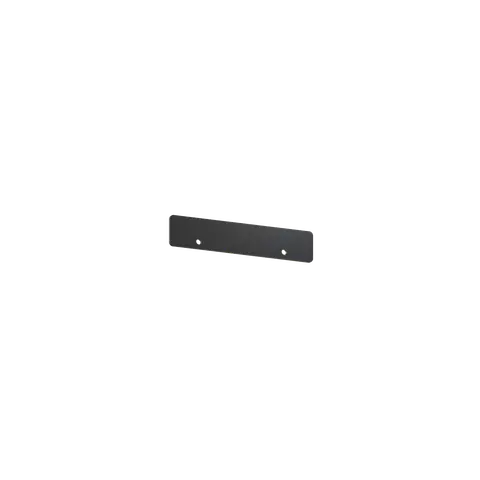
ENDCAPP Y206
2,08 EUR
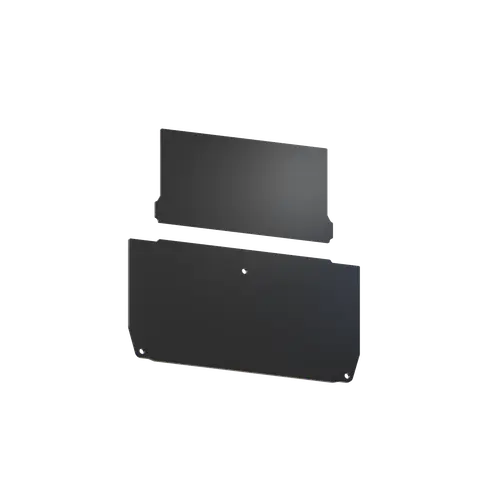
ENDCAPP Y205
5,19 EUR
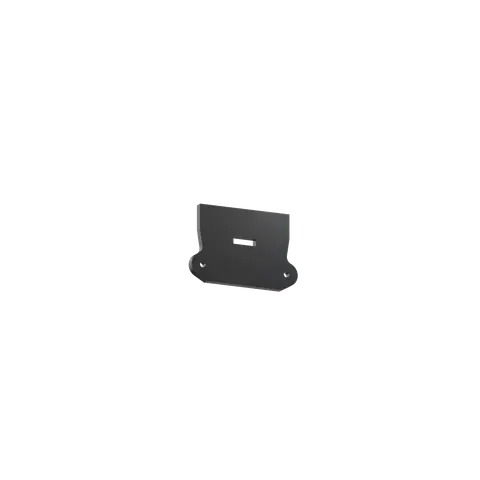
ENDCAPP Y204
1,04 EUR
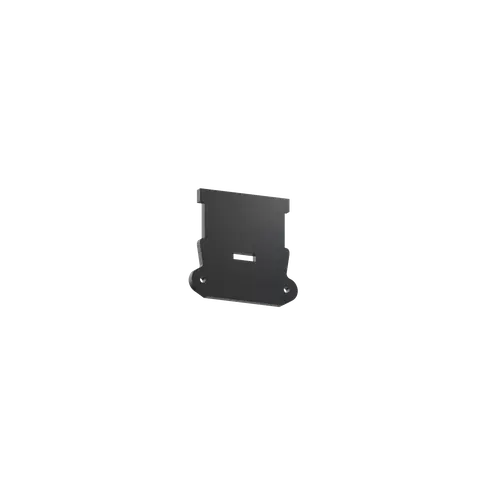
ENDCAPP Y202
1,04 EUR
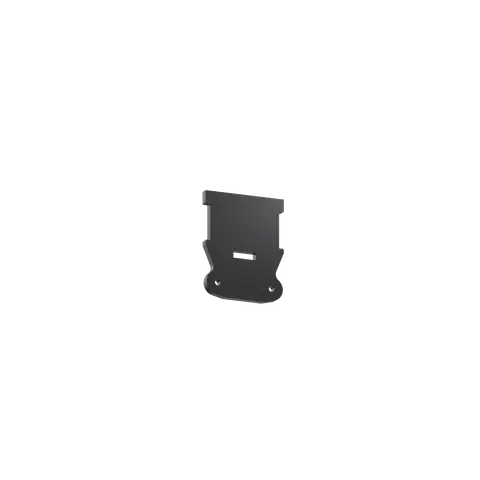
ENDCAPP Y201
1,04 EUR
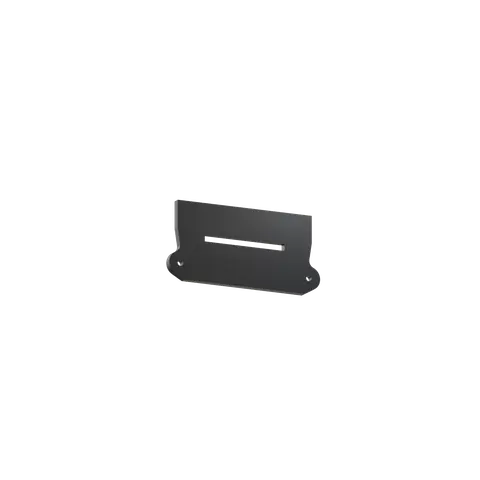
ENDCAPP Y203
1,04 EUR
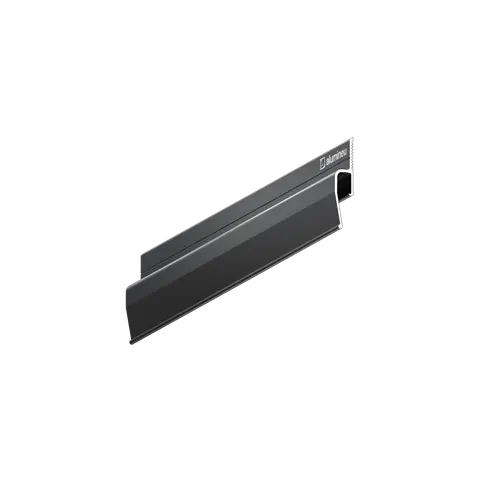
INVISIA X201
2,70 EUR
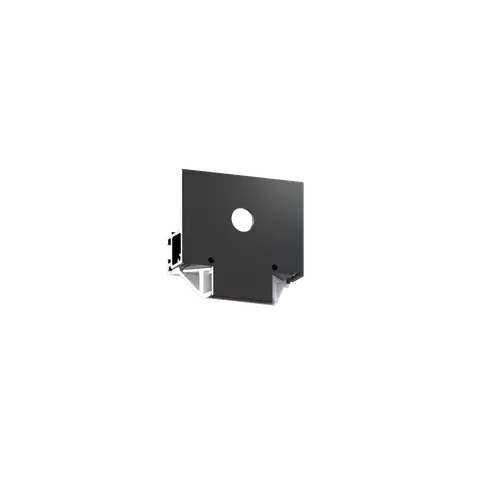
ENDCAPP Y212
22,05 EUR
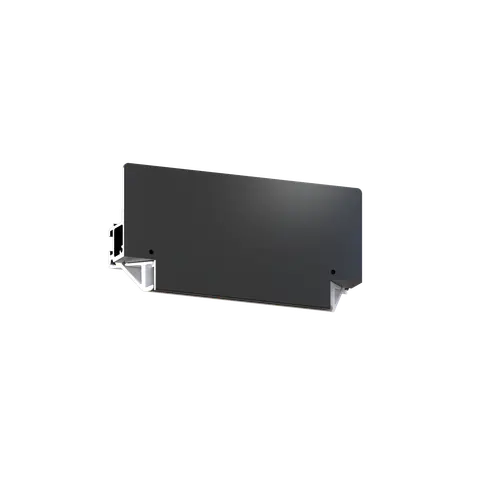
ENDCAPP Y211
27,24 EUR
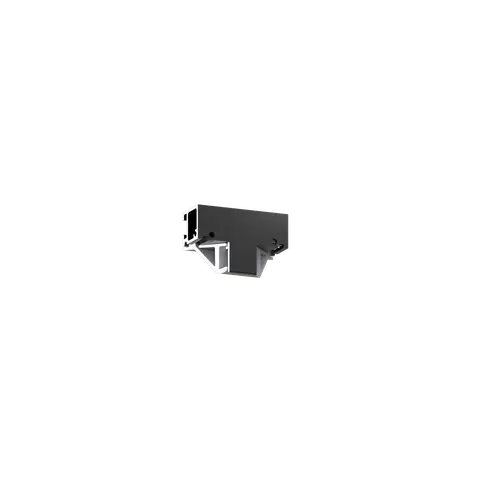
ENDCAPP Y210
14,27 EUR
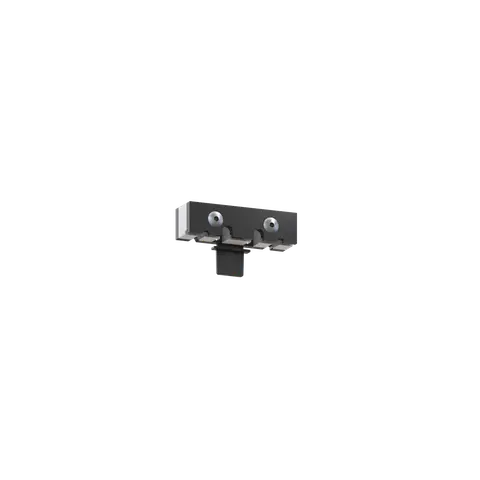
ENDCAPP Y209
12,97 EUR
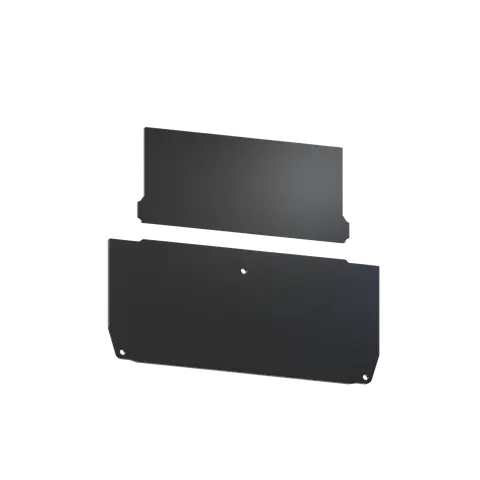
ENDCAPP Y208
5,19 EUR
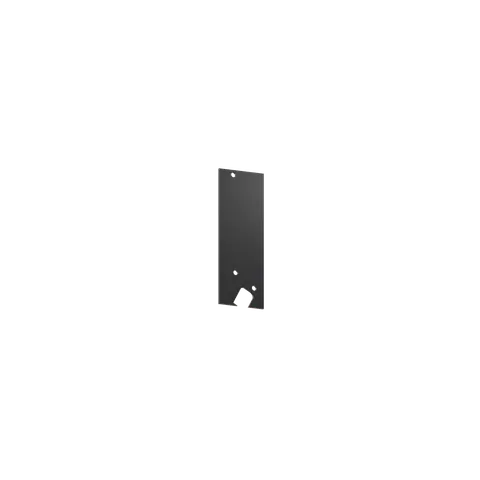
ENDCAPP Y207
2,08 EUR
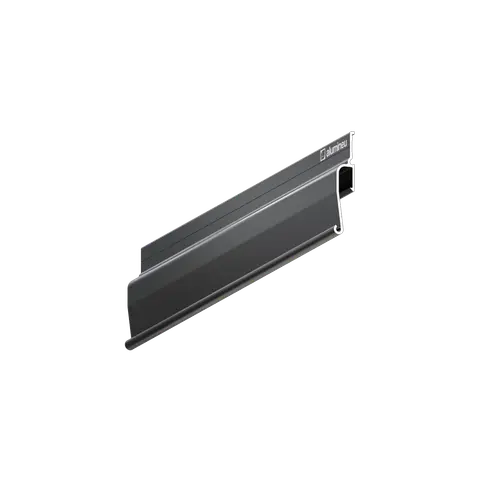
INVISIA X202
2,59 EUR
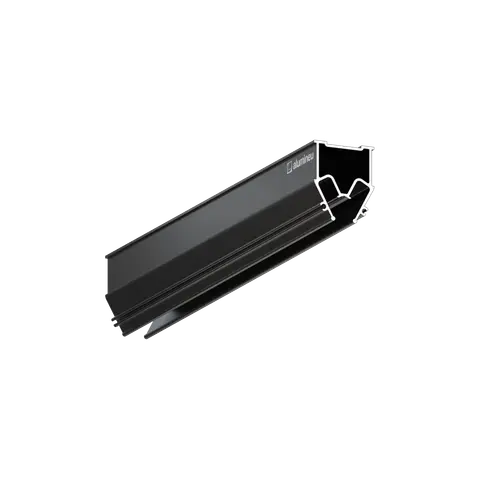
INVISIA X204
4,15 EUR
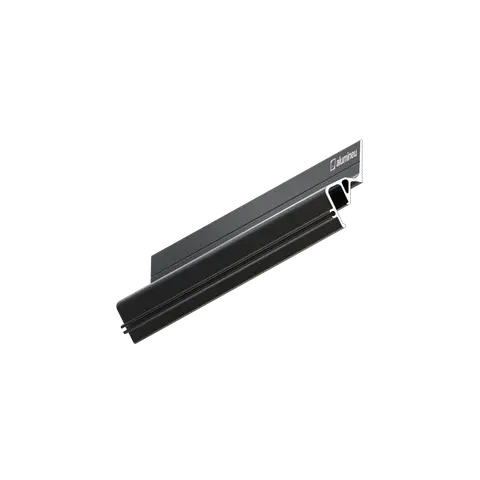
INVISIA X205
3,11 EUR
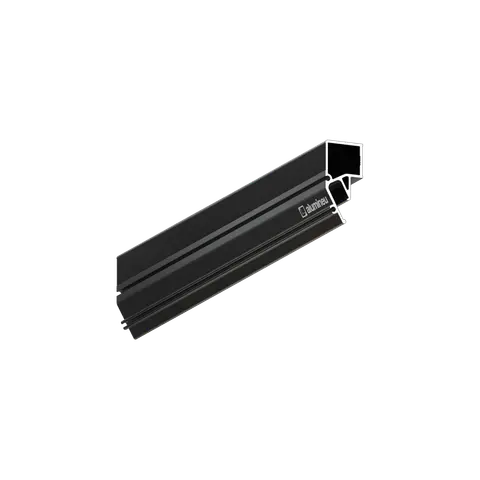
INVISIA X206
4,15 EUR
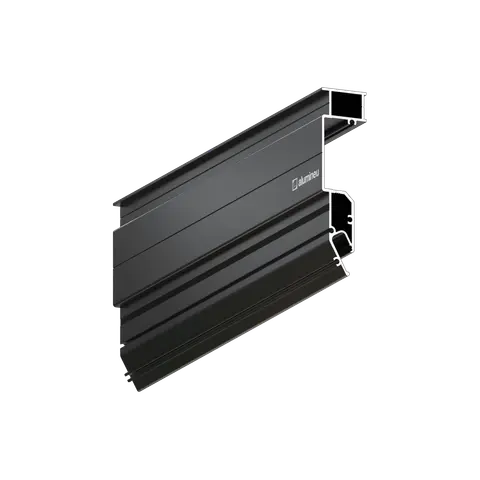
INVISIA X207
6,23 EUR
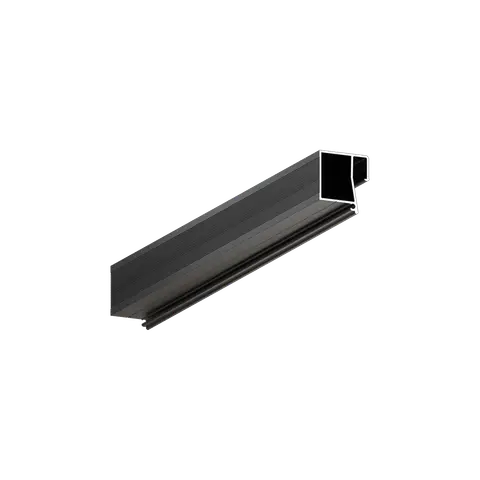
INVISIA X208
3,11 EUR
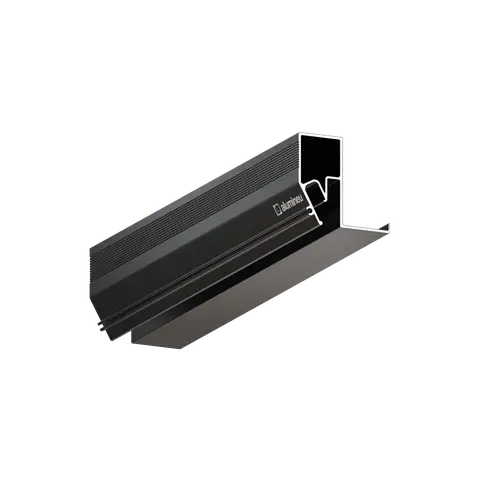
INVISIA X209
6,23 EUR